
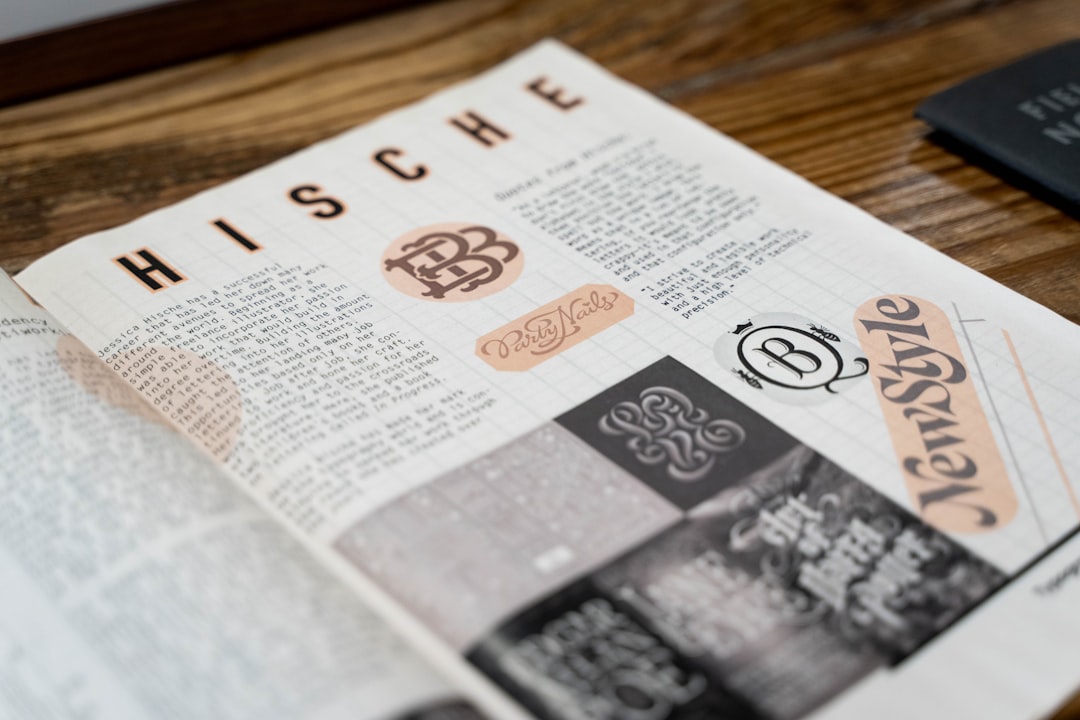
Visual curation is a refined skill that separates exceptional inspiration boards from ordinary collections. The ability to identify compelling imagery, recognize cohesive themes, and assemble elements into meaningful compositions transforms random images into powerful creative tools. Developing this curatorial eye requires practice, critical thinking, and understanding of visual principles.
Developing Your Curatorial Vision
Effective curation begins with a clear vision of what you want to communicate. Before collecting any images, define your project's core message, emotional tone, and aesthetic direction. This conceptual foundation guides selection decisions and prevents unfocused collections.
Create a written brief outlining your project's objectives, target audience, and desired outcomes. Include keywords describing the mood you want to evoke. Reference specific design movements, time periods, or cultural influences that inform your vision. This documentation serves as a filtering mechanism during the curation process.
Study examples of exceptional curation in museums, galleries, and design publications. Notice how professional curators create narratives through careful selection and arrangement. Apply these principles to your inspiration boards, thinking of yourself as curating an exhibition rather than simply collecting images.
Sources for High-Quality Visual Assets
Quality curation requires access to excellent source materials. Diversify your sources beyond obvious design platforms to discover unique imagery that differentiates your work. Explore photography portfolios, art museum collections, vintage archives, and specialized industry publications.
Professional stock photography sites like Unsplash, Pexels, and Adobe Stock offer high-resolution images suitable for mood boards. Be selective, as the accessibility of these platforms means many designers use the same popular images. Look deeper into collections to find less obvious choices.
Cultural institutions increasingly digitize their collections, providing access to historical artworks, photographs, and design artifacts. The Metropolitan Museum of Art, Library of Congress, and similar institutions offer vast public domain resources perfect for adding depth and authenticity to boards.
Contemporary design platforms like Behance, Dribbble, and Pinterest showcase current work from creative professionals worldwide. These sources help you stay current with trends while finding inspiration from peers. Always respect copyright and credit creators appropriately.
Evaluating Image Quality and Relevance
Not every beautiful image deserves a place on your mood board. Evaluate each potential addition critically, asking whether it advances your concept and contributes to overall cohesion. Quality matters more than quantity in effective curation.
Technical quality is foundational. Select high-resolution images with good composition, proper exposure, and sharp focus. Poor quality images undermine your board's professionalism and limit potential applications. Even for exploratory boards, maintain minimum quality standards.
Assess conceptual relevance rigorously. Does the image communicate specific qualities aligned with your project brief? Does it introduce new ideas or merely repeat concepts already represented? Each element should earn its place by contributing unique value to the composition.
Consider versatility when selecting images. The best mood board elements work on multiple levels, communicating through color, composition, subject matter, and emotional tone simultaneously. Images rich with meaning provide more creative possibilities than one-dimensional choices.
Creating Visual Cohesion
Cohesion transforms disparate images into unified narratives. Look for common threads that connect your selections: recurring colors, similar compositional structures, shared textures, or complementary subject matter. These connections create visual harmony even among diverse elements.
Color is often the strongest unifying element. Limit your board to a focused palette, even if individual images contain additional colors. This restraint creates sophisticated, intentional aesthetics rather than chaotic assemblages.
Compositional rhythm also builds cohesion. Balance busy, complex images with simpler, more minimal selections. Alternate between close-up details and wider contexts. This variety within consistency maintains visual interest while preserving unity.
Tonal consistency matters as much as color. Images with similar contrast levels, saturation intensities, and brightness values naturally harmonize. Mixing high-contrast dramatic imagery with soft, muted photographs can create jarring disconnects unless carefully balanced.
Editing and Refinement
Strong curation requires ruthless editing. Your initial collection will likely contain far more images than your final board should include. The editing process separates adequate choices from exceptional ones, strengthening overall impact through selectivity.
Start with broad collection, gathering generously without excessive filtering. Aim for three to four times as many images as you'll ultimately use. This abundance provides options during refinement and reveals patterns you might not have anticipated.
Review your collection after initial gathering, removing obvious misfits that don't support your concept. Then examine remaining images more critically, comparing similar options and keeping only the strongest examples of each idea or visual quality.
Create multiple arrangement options to test different narratives. Sometimes an image that seems essential in isolation doesn't work within the composition. Be willing to cut favorites if they don't serve the larger purpose. The board's overall success matters more than any individual element.
Balancing Inspiration and Originality
Effective mood boards inspire without constraining. The goal is establishing direction while leaving room for creative interpretation and innovation. Curate with enough specificity to communicate clearly but sufficient openness to allow original solutions.
Avoid overly literal selections that prescribe exact executions. If designing a coffee shop brand, include images evoking desired feelings rather than just photos of other coffee shops. This approach encourages fresh thinking rather than derivative copying.
Include unexpected elements that challenge assumptions and spark new ideas. An image from a completely different industry might introduce a relevant concept or aesthetic quality. These surprising connections often lead to the most innovative solutions.
Balance familiar references with novel discoveries. Some recognizable touchstones help stakeholders understand your direction, but too many obvious choices make boards feel generic. Strive for a mix that feels both accessible and distinctive.
Organizing and Categorizing Assets
As your visual library grows, organization becomes essential. Develop a systematic approach to cataloging assets that allows quick retrieval and prevents duplication. Good organization maximizes the value of your curation efforts over time.
Create logical folder structures organized by project, theme, color palette, or visual style depending on your workflow. Use consistent naming conventions that make files easily searchable. Include metadata like source information, copyright status, and relevant keywords.
Consider using visual asset management tools designed for creative professionals. Applications like Eagle, Pixave, or Adobe Bridge provide powerful organization features including tagging, rating systems, and visual browsing that streamline curation workflows.
Regularly review and purge your collections. Visual trends evolve, and assets that felt relevant years ago may now seem dated. Maintaining a fresh, current library ensures your mood boards remain contemporary and compelling.
Typography and Text in Visual Curation
While imagery dominates most mood boards, typography often plays a supporting role. Curate font examples with the same care as photographs, selecting typefaces that reinforce your aesthetic direction and communicate appropriate tone.
Include variety in your typography samples: display fonts for impact, body text examples for readability, and accent fonts for personality. Show how different type styles might work together, previewing potential hierarchical relationships.
Consider including text as visual texture rather than readable content. Foreign language text, abstract letterforms, or extremely large typography can function as graphic elements that contribute to overall composition without literal meaning.
Texture and Material Considerations
Texture adds depth and tactile interest to inspiration boards. Curate images highlighting interesting surfaces, materials, and finishes relevant to your project. These elements help visualize how designs might feel physically, not just how they look.
For digital projects, texture images can suggest visual treatment approaches. Rough textures might inspire grunge effects, while smooth surfaces could indicate minimalist aesthetics. The metaphorical qualities of textures communicate as powerfully as their literal appearances.
Physical projects benefit from actual material samples whenever possible. Fabric swatches, paper stocks, wood finishes, and metal samples provide information impossible to convey through images alone. Combining physical materials with digital imagery creates rich, informative boards.
Conclusion
Mastering visual curation is a continuous journey of developing your eye, expanding your visual vocabulary, and refining your editing skills. Great curators see connections others miss, recognize quality instantly, and assemble elements into narratives greater than their individual parts. Practice these skills consistently by creating boards for both professional projects and personal exploration. Study the work of master curators across disciplines, from museum exhibitions to editorial spreads. Over time, you'll develop an intuitive sense for what works, allowing you to curate with confidence and create inspiration boards that truly inspire.